
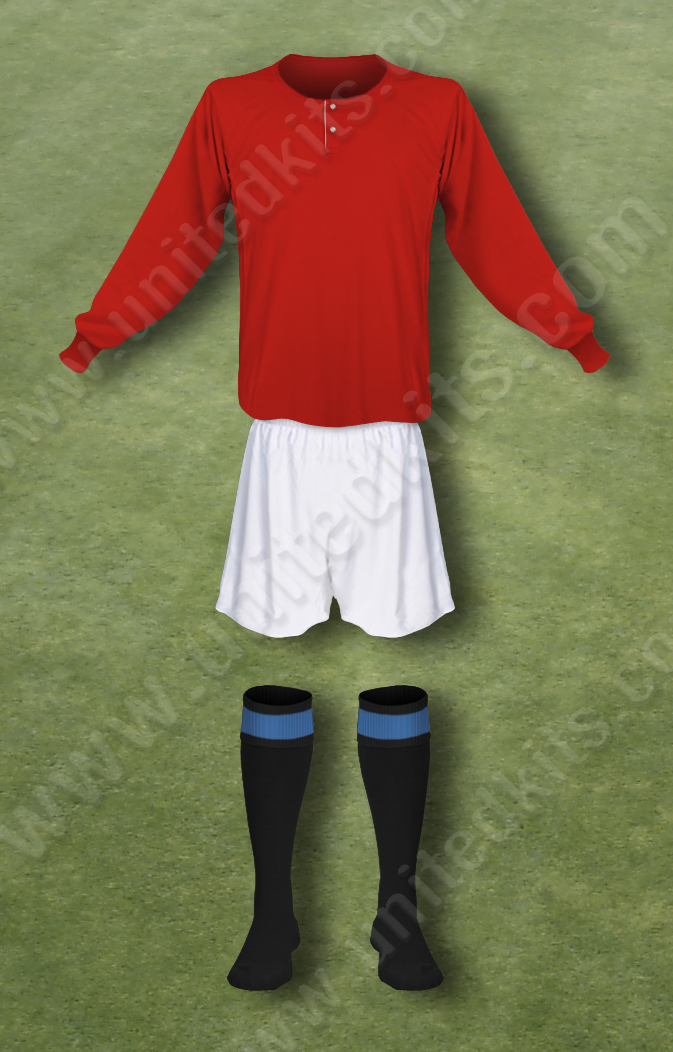
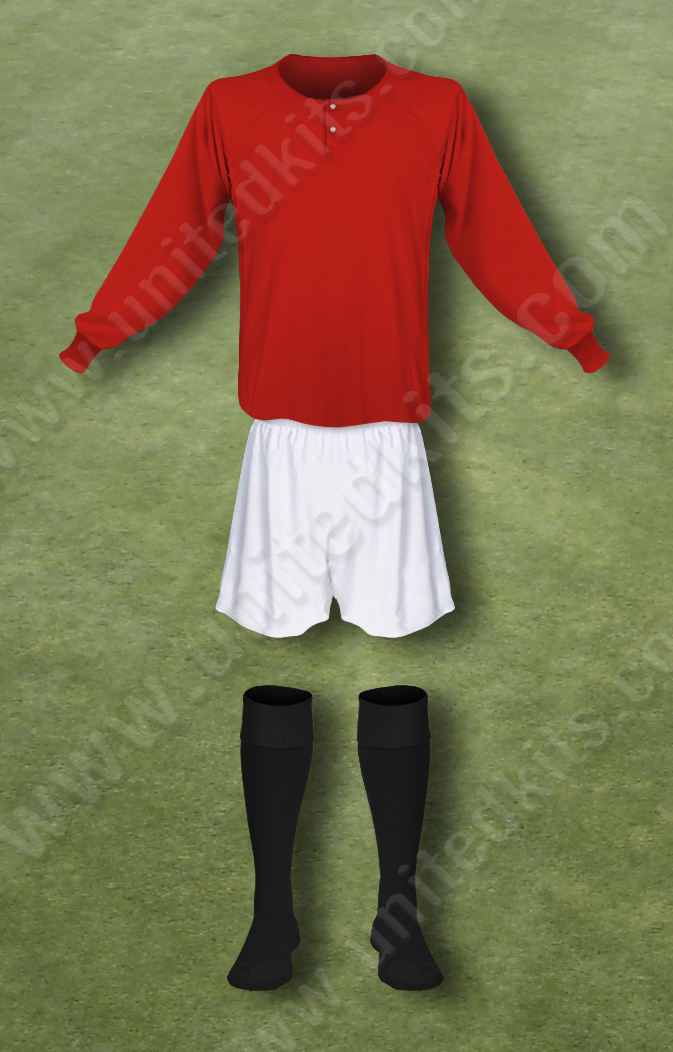
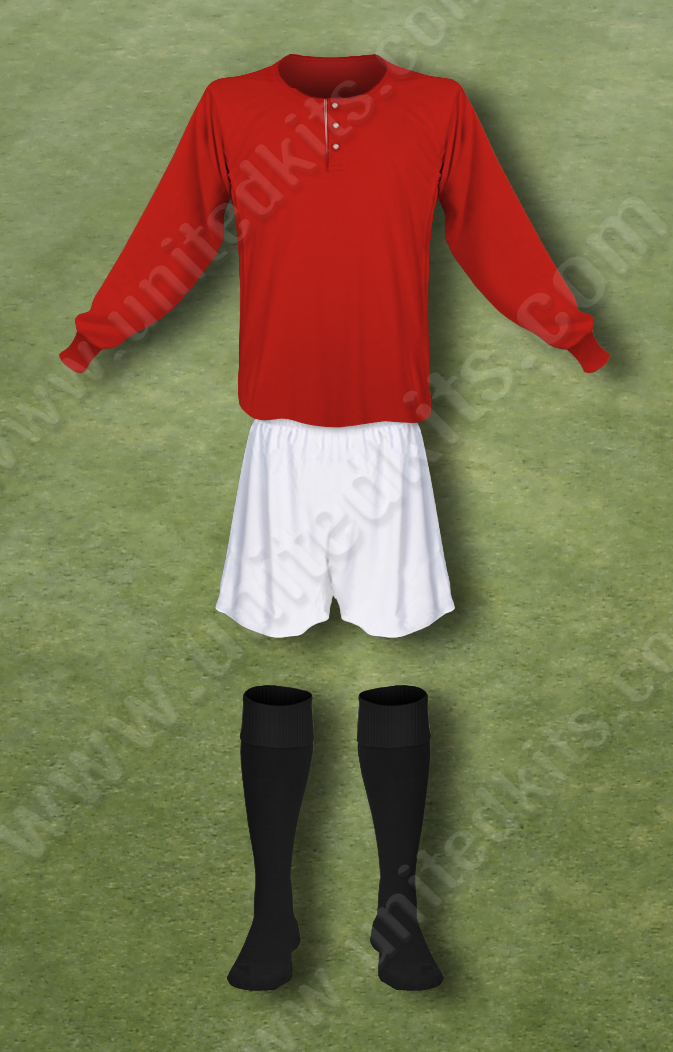
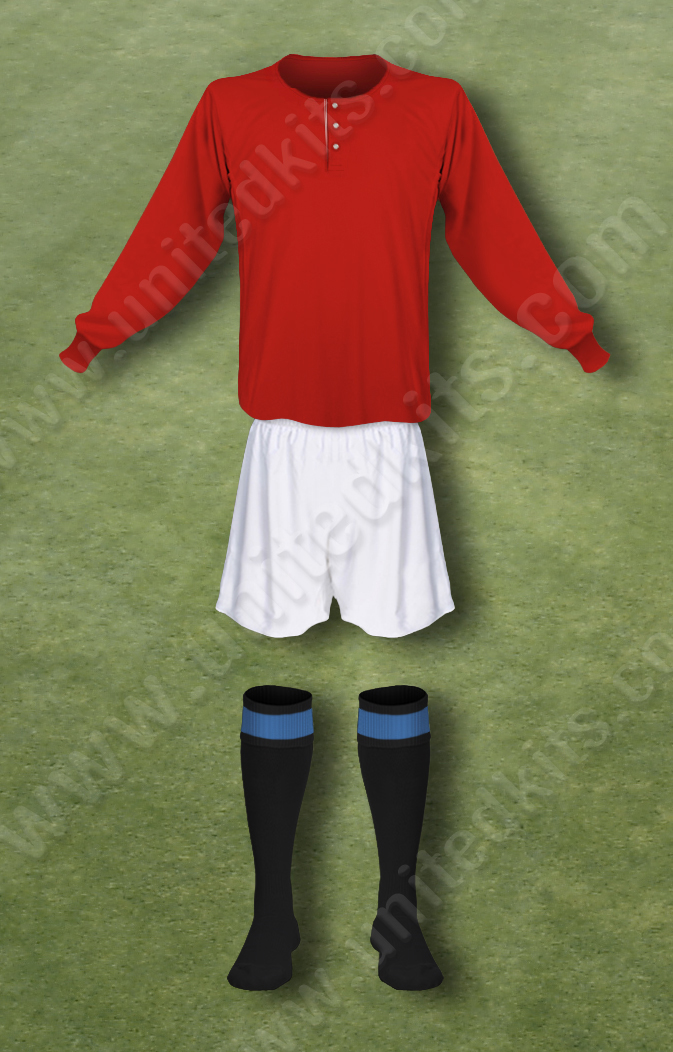
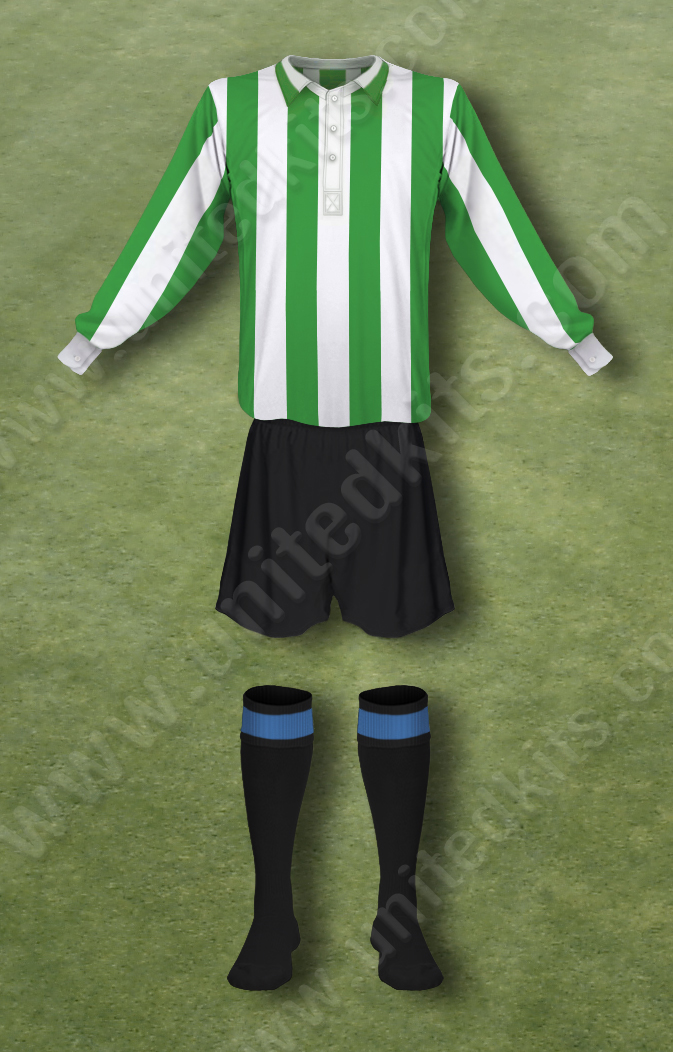
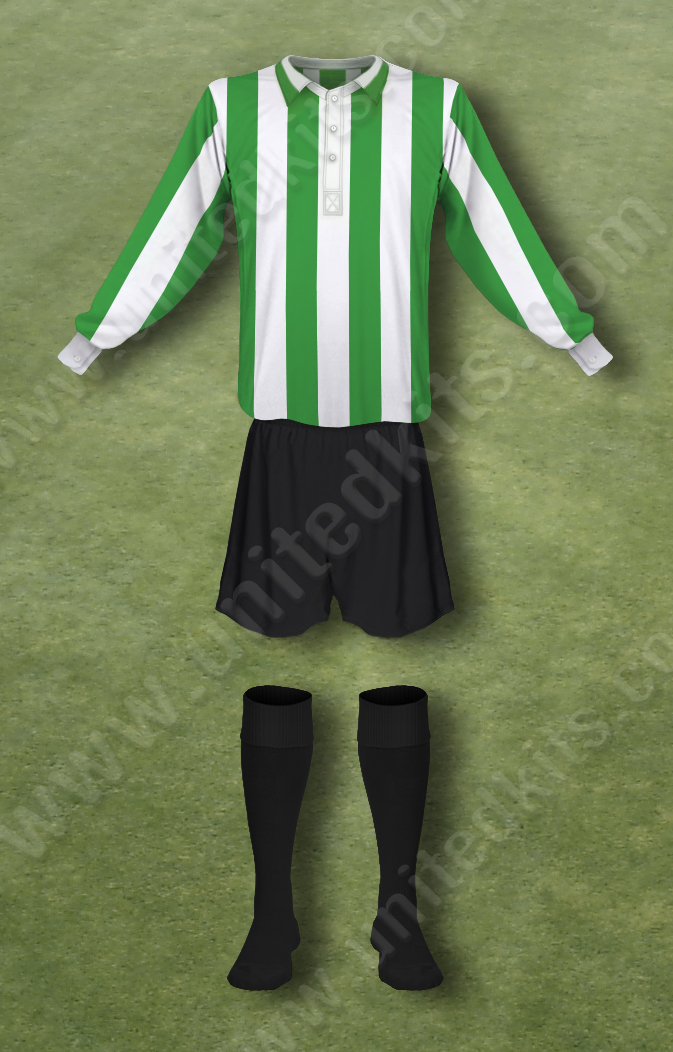
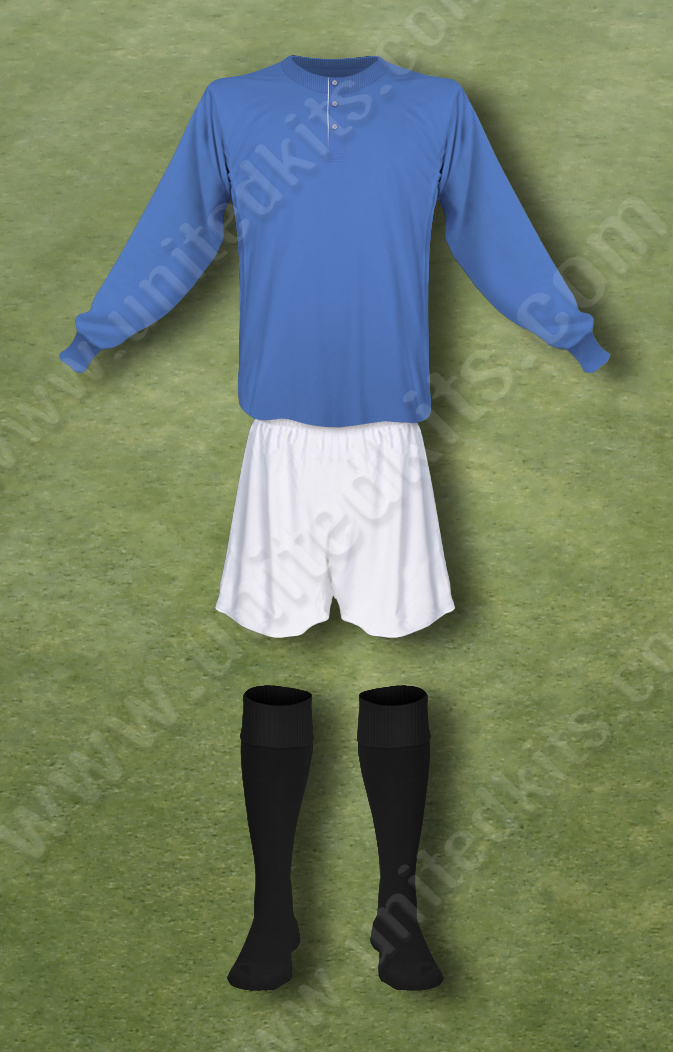
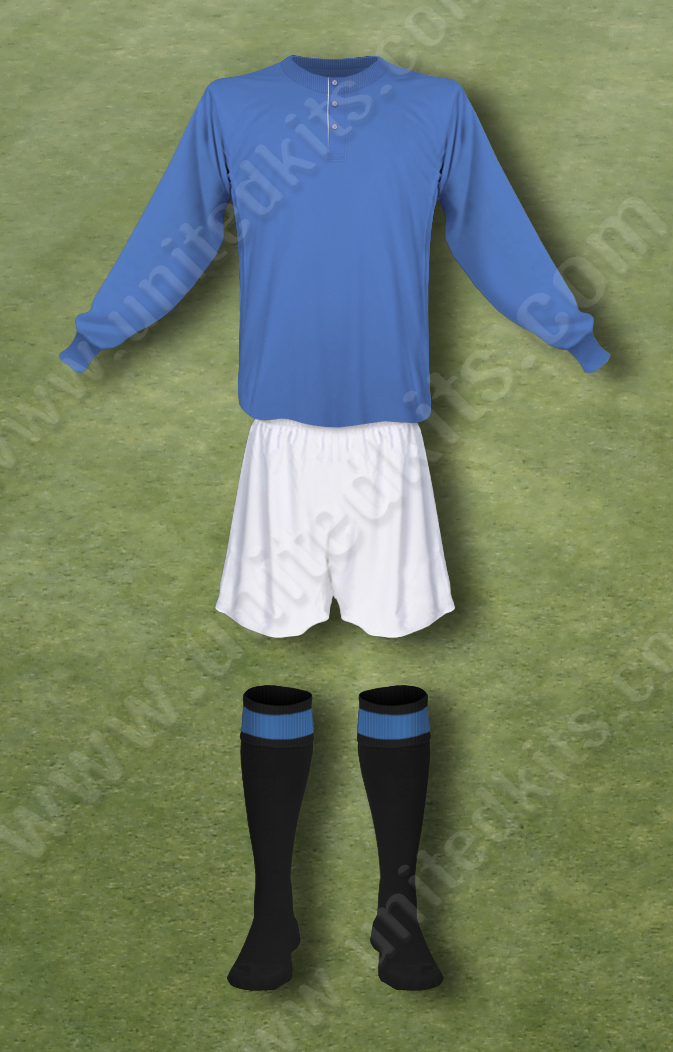
Harry Stafford was made a Director of the club during the summer, and as well as scouting for new players, he was given the responsibility of obtaining the players' kits. According to the Athletic News "practically a new team has been engaged", but the early League results were disappointing and United struggled.
In October James West's resignation was accepted by the Board, and Ernest Mangnall appointed as his successor. The club were never a serious candidate for promotion until just one defeat in their final fourteen League games catapulted them into third place.
A new covered stand on the popular side had been erected in the summer, with a 6d. (2.5p) admission charge. In spite of the absence of a derby game, the average attendance soared to over 16,700.
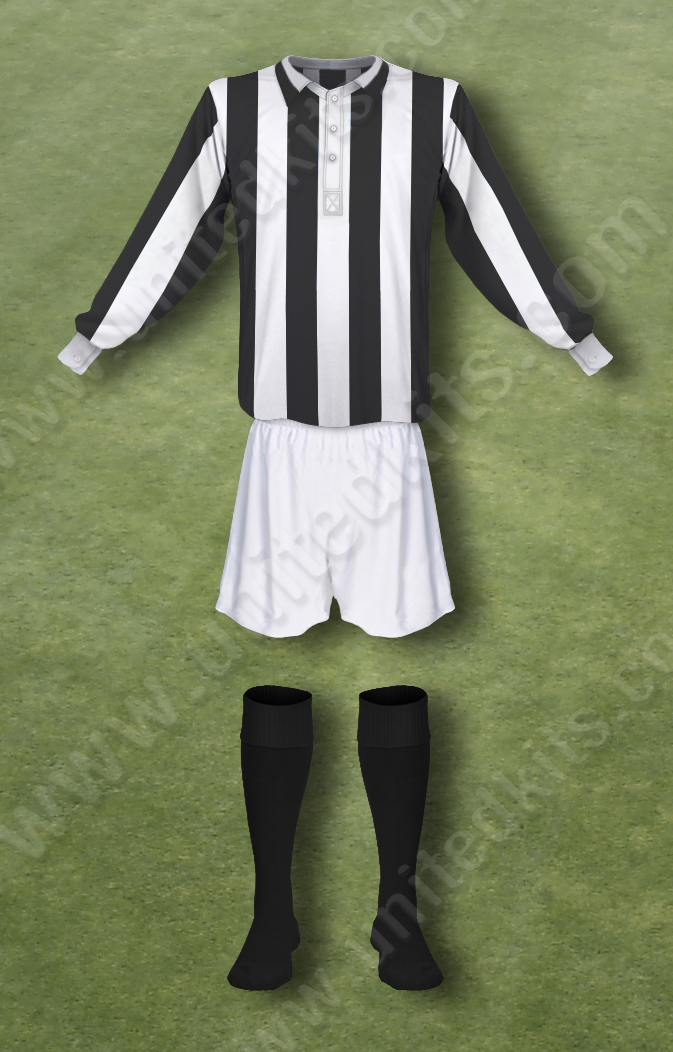
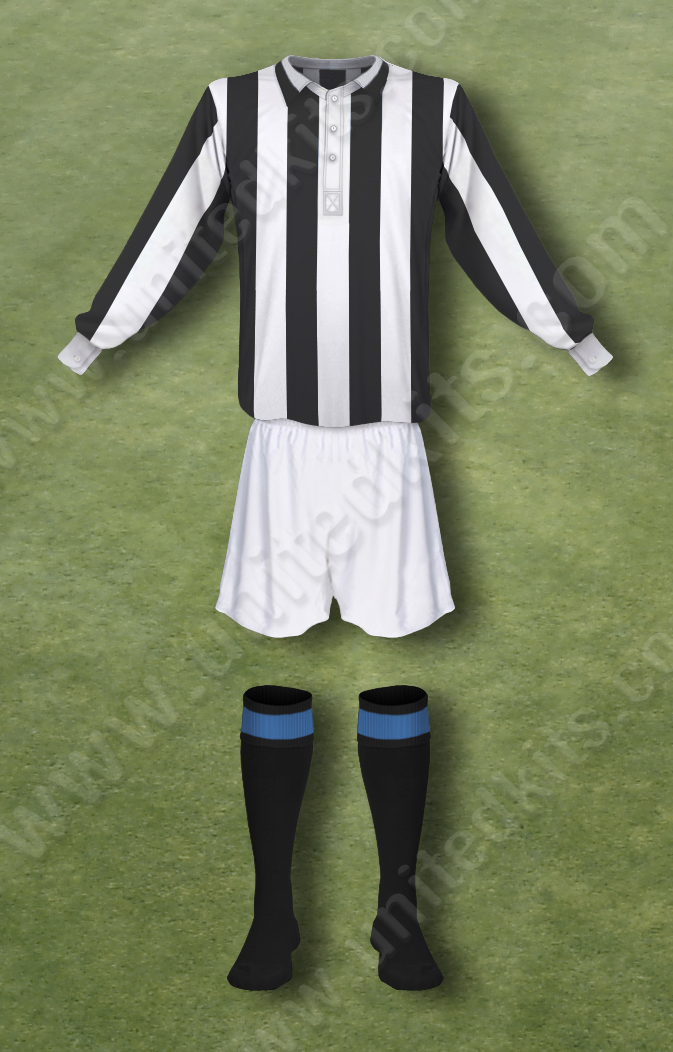
The two practice games in August were billed as Reds v Stripes, suggesting both home and change kits were retained. Further proof of this is found in The Lancashire Combination handbook which lists United's colours as green and white. Around 50,000 attended the two practice games. It appears from a squad photograph published in the 'Golden Penny Football Annual' that United also had a blue change kit, similiar in colour to the band on the socks. The photograph also shows the players wearing home shirts with two or three buttons. The latter shirt also had a white inner planket. Plain black socks, as well as those with the blue band, were worn with both home and change kits.
United wore a special one-off kit in a friendly against Ashton Town on November 14th 1903. The father of Alec Bell, United's half-back, had died recently and "out of respect the United turned out in new black and white jerseys" according to press reports of the match. Without any photographic evidence we asked Dave Moor at Historical Football Kits for his opinion , and he suggested a vertical striped shirt similiar to the change kit.